Ventilation is not simply about moving air. The right approach depends on the home, where moisture comes from, how airtight the building is and where replacement air comes from.
Start with the problem you are trying to solve
Write down what you notice: condensation, musty rooms, moisture after showers or cooking, rooms that feel stuffy, or a renovation that has changed how you use the home. These observations help frame a useful assessment, but they do not replace checking for leaks, insulation issues or other building problems.
Ask where the air comes from and where it goes
New Zealand’s Building Performance guidance says ventilation should bring fresh air into the home and remove moisture and pollutants. It also notes that active extraction is important in moisture-producing rooms such as kitchens, bathrooms and laundries. Read the official Building Performance ventilation guide.
Questions to ask before choosing equipment
- Which rooms need extraction, supply air or both?
- Will the system discharge moist air outside?
- Where will replacement air come from?
- How will you size the system for this home?
- Which filters does the system use, and how should I maintain them?
- How much access do you need for ducting and future servicing?
- How will you manage noise, controls and running time?
Ventilation, heating and moisture work together
Heating alone does not remove the moisture created by showers, cooking, clothes drying, people and building leaks. Ventilation also cannot fix every source of dampness. A sensible plan considers moisture at its source, insulation and heating alongside ventilation.
What if there is no usable roof cavity?
Tiny homes, portable dwellings and compact buildings may not suit a conventional roof-space layout. That does not automatically rule out ventilation: an installer needs to assess the system type, outdoor-air route, duct path, room extraction and access for the actual building. Airmax provides residential, commercial and tiny-home ventilation assessments and can separately assess kitchen and bathroom extraction routes.
Plan early for renovations and new work
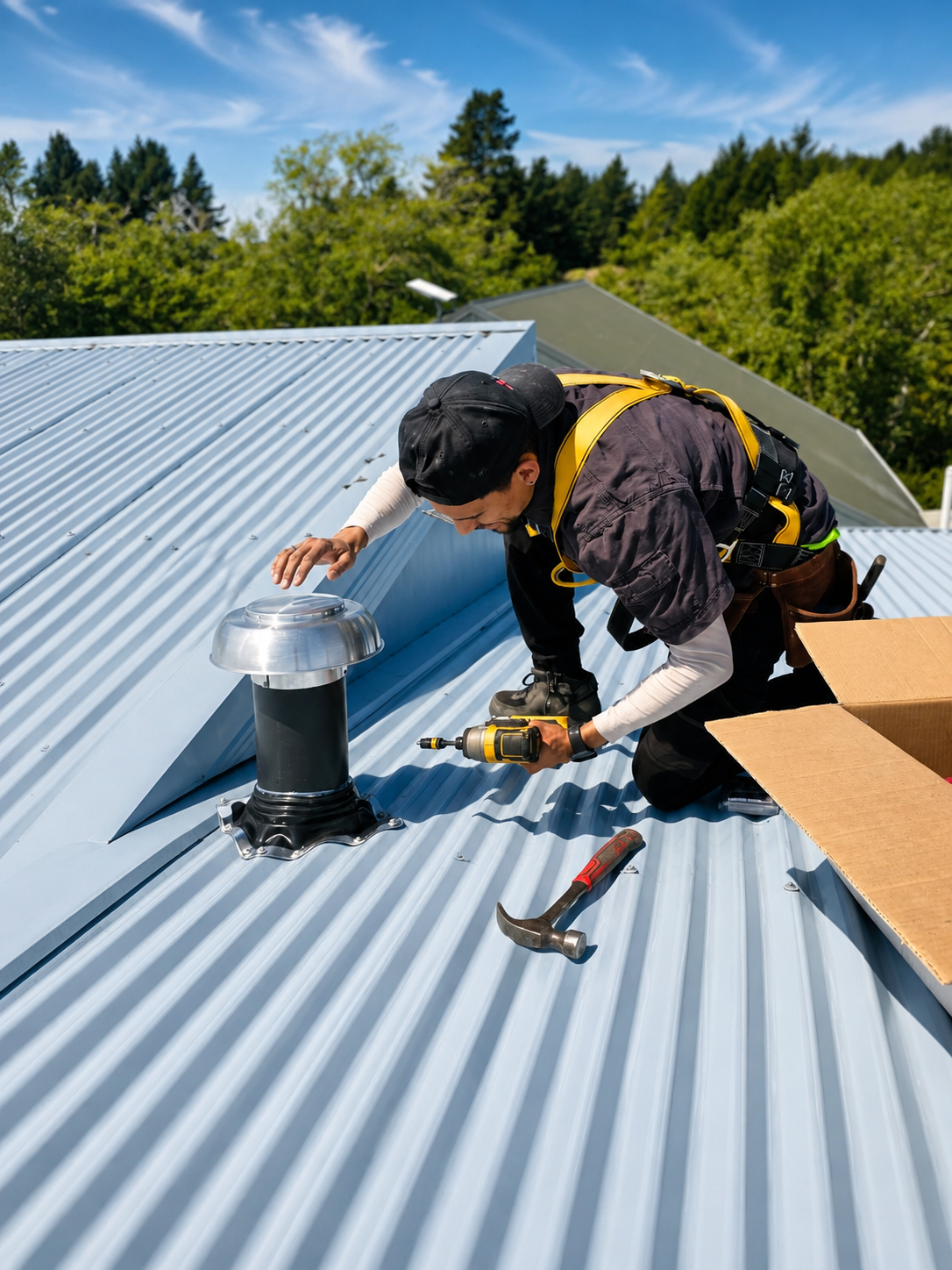
Roof access, duct routes, outlet positions and electrical requirements can affect the design. Discussing these details early can reduce compromises later. Any building or electrical work must follow the applicable New Zealand requirements.
Airmax provides heating, cooling and ventilation services from Rolleston across Greater Christchurch, with a wider Canterbury travel area where applicable. The right next step is an assessment of the actual property rather than a one-size-fits-all recommendation.
Need a clear next step? Send Airmax your suburb, the system make and model, and a photo of the unit or error code where relevant. Contact Airmax or call 021 051 2558.